AI CREATIVE WORKSPACE

A campaign is a question, not a pile of assets

Decide what the campaign needs to learn, then build a small set of directions that can answer it. The workspace keeps the brief and the outputs together.

  • Product-first video, image and presenter tools
  • A credit quote before you generate
  • One asset library for the whole set

A structured way to plan a small creative set around one campaign question. Keep the brief, the product context and the generated directions in one workspace.

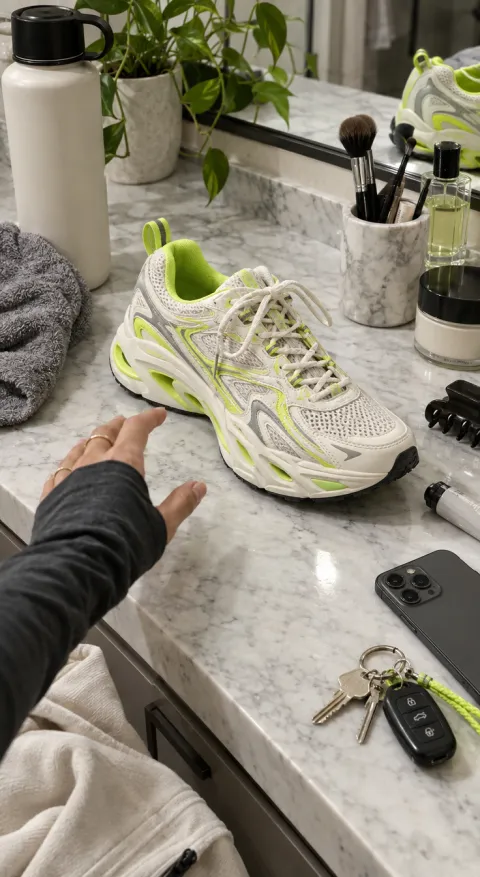
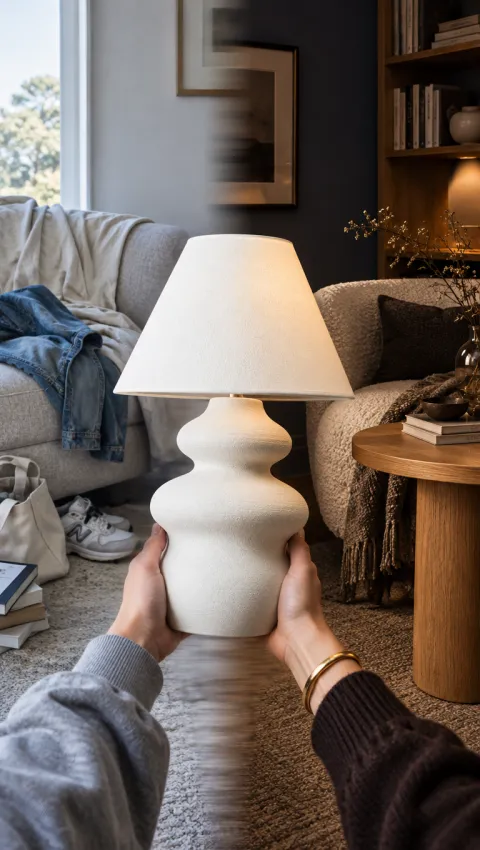
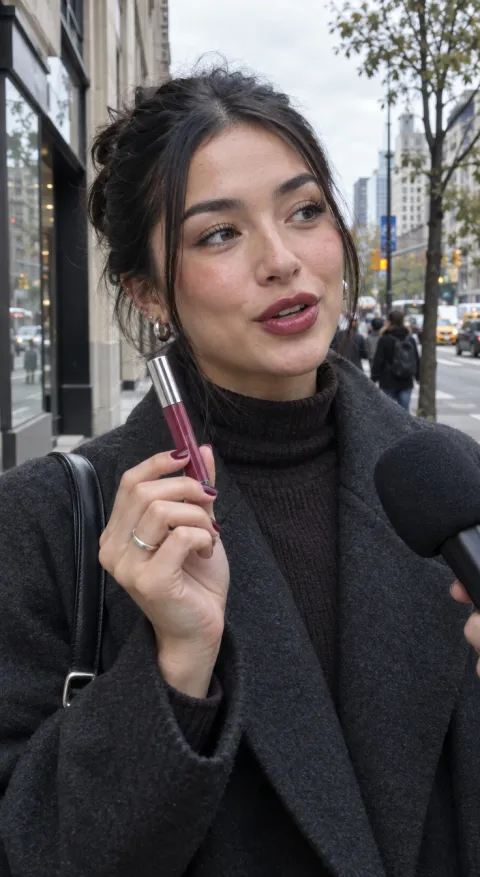
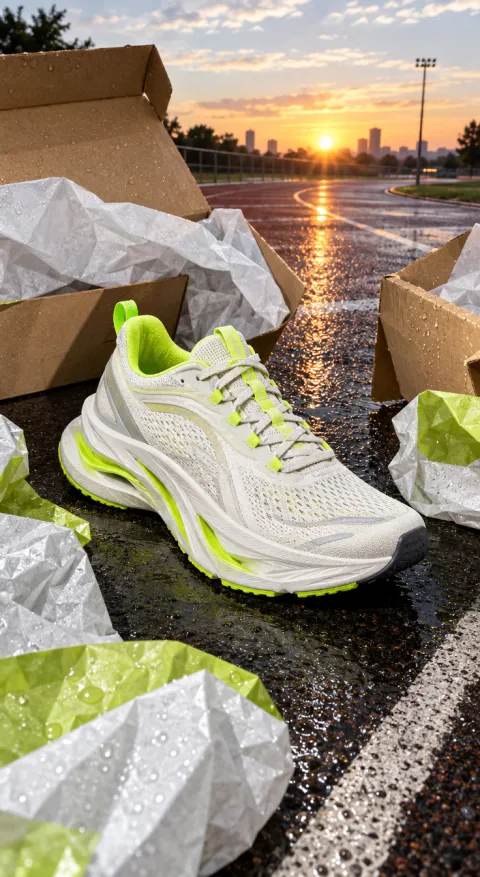
Haul / finds example for Sculpted Running Sneaker Haul / finds
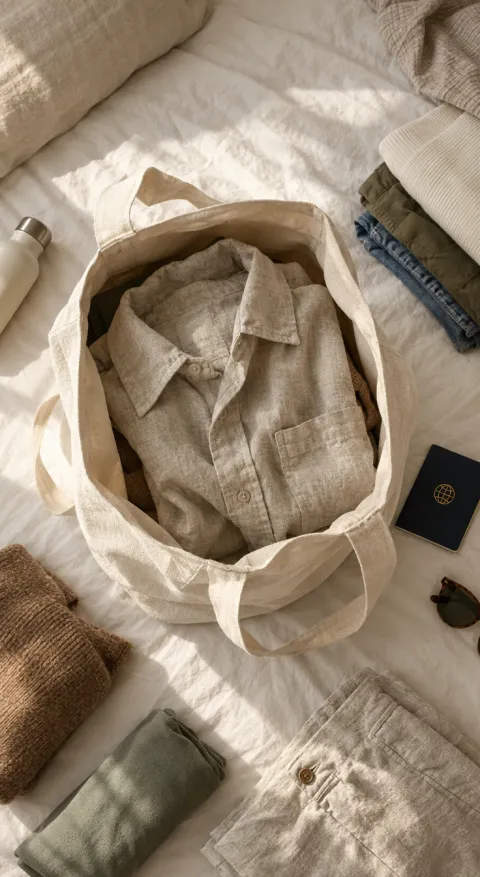
Pack with me example for Washed Linen Overshirt Pack with me
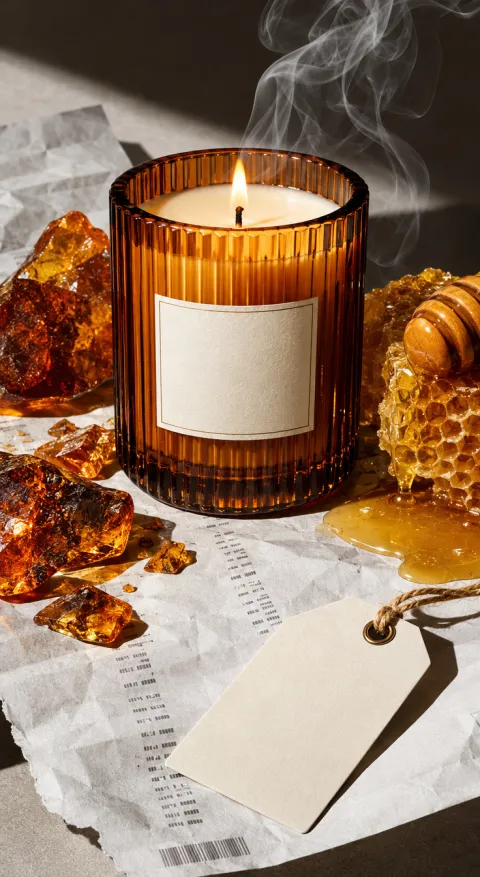
Price reveal example for Amber Scented Candle Price reveal

02 / HOW IT WORKS

A simple creative-test loop

  1. Write the question

    Decide what you want to learn: a new hook, a different audience angle or a clearer product demonstration.

  2. Generate the directions

    Keep the product and offer fixed, then generate a small set that differs by one variable. The question to test: plan a small creative set around one campaign question.

  3. Review and record

    Compare the outputs against the brief and note what should carry into the next round.

03 / WHAT YOU CAN DO

Make the variable obvious

01 / THE VARIABLE

Test one decision at a time

Changing the hook, the scene and the offer at once hides what worked. Write the constant and the variable before you generate. AI ad campaigns keeps the product context stable while the creative direction moves.

Define the test variable
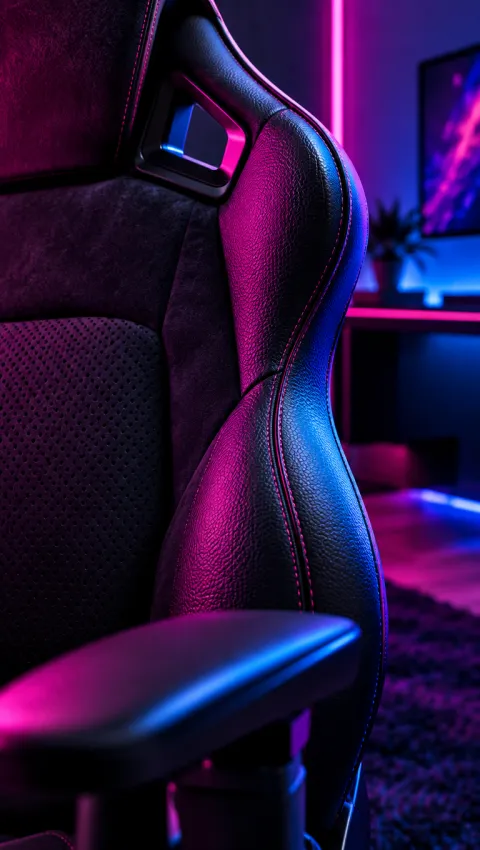
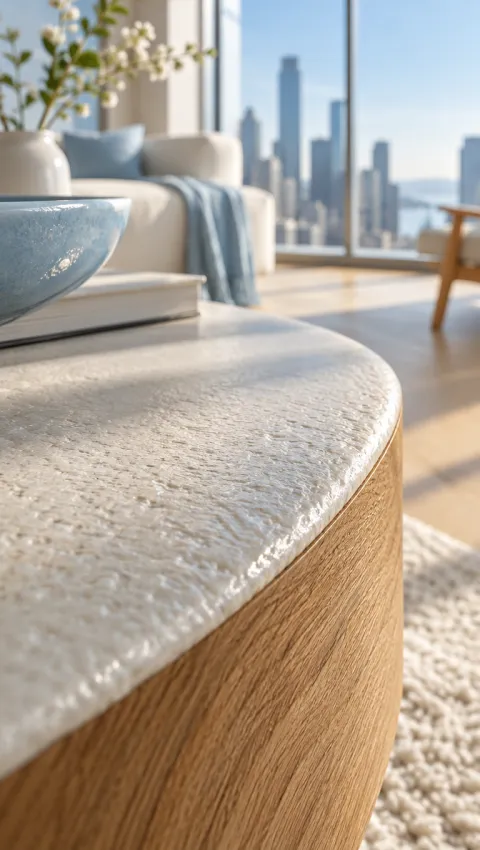
Macro texture direction for Gaming Chair Macro texture
Macro texture

02 / THE BATCH

Make a small set worth reviewing

A batch should answer a question, not fill a folder. Choose the number of directions your team can actually review, then compare them against the same brief.

Plan a small batch
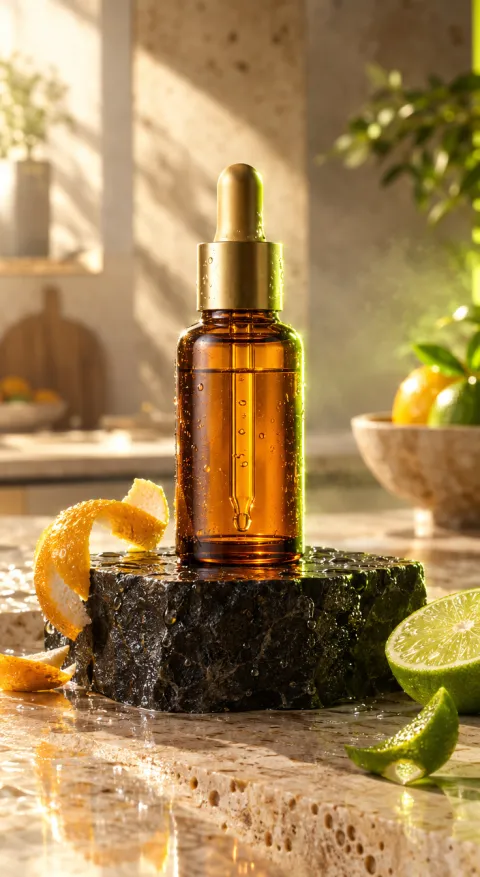
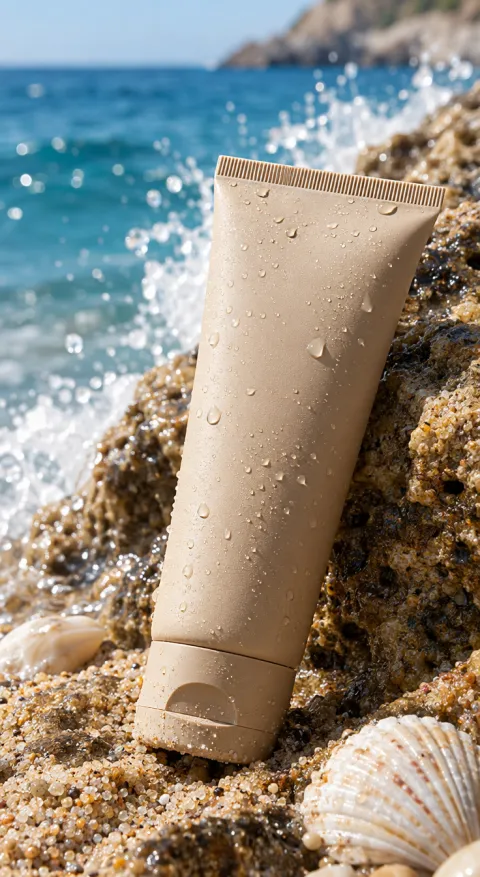
Product hero direction for Vitamin C Glow Serum Product hero
Product hero

03 / THE DECISION

Write down why the winner won

Keep the hook, the product moment and the call to action that produced the strongest response. The next round should start from that note, not from memory.

Carry the winner forward
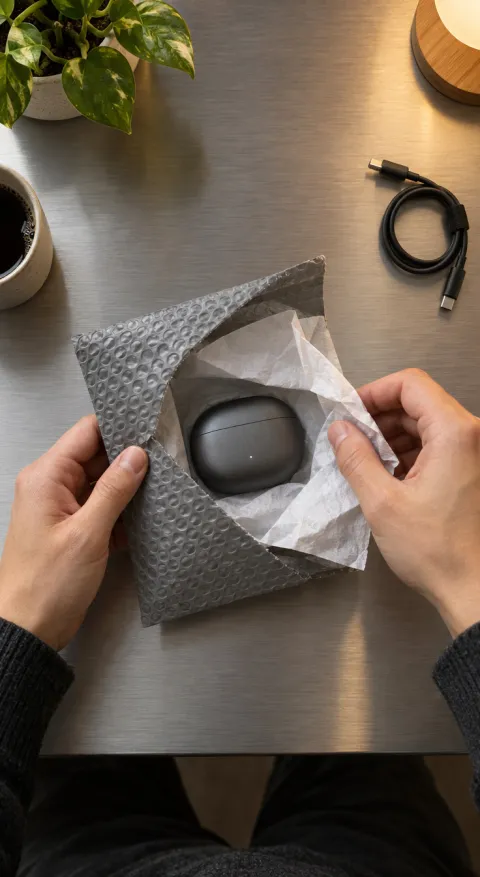
Unboxing ASMR direction for Pebble Wireless Earbuds Unboxing ASMR
Unboxing ASMR

04 / START FROM AN EXAMPLE

Use a frame as one variable in a small test, not as a finished campaign.

Plan a creative test

05 / USE CASES

Where structured creative testing helps

Creative refresh

Rebuild an ad that has gone stale without changing the product promise.

Offer and angle tests

Compare opening claims while the visual treatment stays comparable.

Agency review

Give every direction the same brief so the review is about the idea, not the format.

06 / WHY THIS WAY

A cleaner path from idea to decision

A shared brief

Everyone reviews against the same product context and question.

Comparable directions

Keep one variable different so the result means something.

A written next step

Carry the winning note into the next brief instead of starting over.

Testing with a written question

Area This workflow A manual production loop
Brief One page with the constant and the variable A thread of references and opinions
Batch A small set the team can review As many assets as the tool can produce
Decision A note that carries into the next round A verbal recap after the review

07 / FAQ

Questions about the testing workflow

Does this replace my ads manager?

No. It helps produce and compare creative directions. Campaign setup, targeting, budgets and reporting stay in your ads platform.

Can it segment my audience for me?

No. There is no audience-data or segmentation engine here. Use your own customer insight to write the brief.

How many variants should I make?

Make only as many as your team can review against the same question. A smaller, comparable set is more useful than a large folder.

Can I keep the product fixed across variants?

Yes. Reuse the same product images and brief, then change the hook or scene direction.

Where do the results live?

Generations stay in the workspace alongside the product assets and prompts used to make them.
09 / START HERE

Write the question, then make a small set.

Keep the product and offer fixed, change one variable and review the outputs against the same brief.