Trends · United States
Short-video trends this week: dances, challenges, memes and parodies
Trends is a list of the dances, challenges, memes, parodies, sounds and video formats that many creators are repeating this week. This page shows the United States, refreshed three times a day.
Each card says what the trend is, why people join in and how a product video could use the format, with a note on music, people and brand rights. The cards are written by an AI model from public YouTube data and are labelled as such.
01 / THIS WEEK
This week in the United States
- Parody
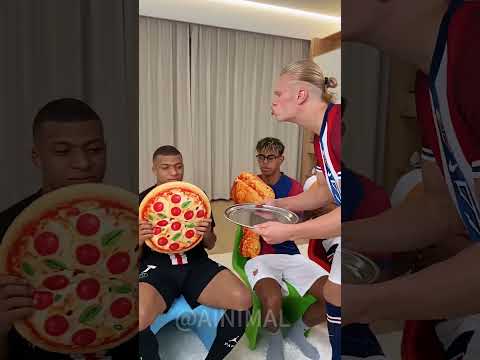
Giant snack 3D parody
Short computer-animated clips show cartoon versions of famous footballers in silly food situations, such as stealing giant snacks, eating from an oversized tub with shovels, or having a treat swapped for something inedible. Each clip runs about ten to thirty seconds and is built around one visual gag with a quick payoff.
Why people join in
Each video needs only one exaggerated, easy-to-read joke about food or a prank, so it works without dialogue and is quick to understand.
Ideas for a product video
- Animate an original mascot discovering a giant version of your product and trying to carry it away before a rival character notices.
- Show two invented characters secretly swapping your product for a look-alike decoy, with the victim's reaction as the payoff.
- Make a short 3D clip where an oversized version of your product is shared out with shovels or spoons among cartoon characters.
Rights note These videos depict real athletes, so an ad should use only original characters and avoid any real person's likeness or name.
- Dance
Couple dance trend
Two people dance a short, simple routine side by side, often with playful or funny moments between them. The clips are around twenty to thirty seconds and filmed in one take.
Why people join in
The routine is short and simple enough for any pair to learn and film at home in a single take.
Ideas for a product video
- Have two staff members perform a short routine while handing your product back and forth on the beats.
- Film a business owner and a partner dancing in the shop, ending with both holding up the product.
- Pair a team member with a customer for a quick dance that finishes with the purchase moment.
Rights note The dance is set to music, so use a track you are licensed to use commercially.
- Dance
La Calabaza dance trend
Creators perform a short dance known as La Calabaza, sometimes upside down or with a behind-the-scenes look at how the shot was filmed. Each clip lasts about thirteen seconds.
Why people join in
The clips are short and the behind-the-scenes angle lets creators show a simple trick shot that viewers want to copy.
Ideas for a product video
- Film the dance with your product in hand, then cut to a behind-the-scenes view of how the shot was set up.
- Do an upside-down version where the product stays perfectly still while the camera flips.
- Ask viewers which country they are watching from and show your product shipping to different places.
Rights note The trend depends on a specific beat, so check that you have a commercial licence for any music used.
- Video format
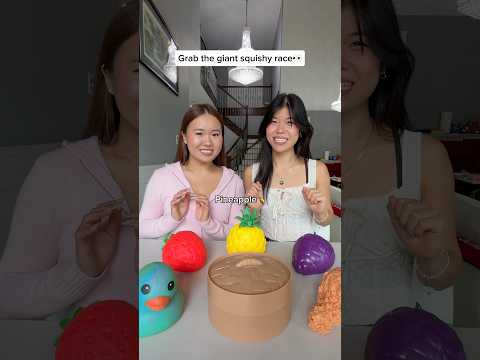
Squishy trend
People squeeze, grab or compare squishy toys in short clips, sometimes going through sizes and speeds such as big, small, fast and slow. The satisfying squeeze and a funny reaction carry the video.
Why people join in
Squeezing a soft object is visually satisfying and needs no skill, setup or dialogue.
Ideas for a product video
- Show your soft product being pressed in big, small, fast and slow versions with on-screen labels.
- Film a close-up squeeze test of your product next to an everyday object for comparison.
- Create a grab-the-giant-one moment where someone reaches for an oversized version of your product.
Rights note Borrow the structure only, not another channel's footage or captions.
- Challenge
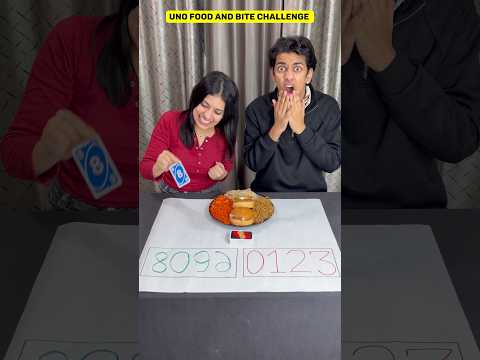
Food game challenge
Players use a card game or dice to decide which food each person must eat or how many bites they take, with spicy or unusual penalties for losers. The video follows the rounds and reactions.
Why people join in
A familiar game supplies the rules and suspense, so the creator only has to film the rounds and reactions.
Ideas for a product video
- Play a card round where the winner gets your best product and the loser gets a plain version.
- Roll a die to choose which flavour from your range each person tastes next.
- Run a rock paper scissors round among staff to decide who gets the last item from a new batch.
Rights note Avoid showing extreme spicy penalties that could be risky for viewers to copy.
- Video format
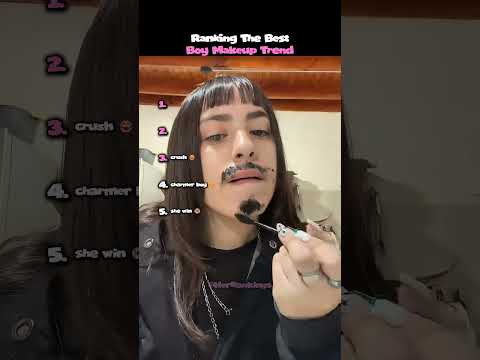
Ranking makeup trends
Creators show several people's takes on a makeup trend one after another and rank them from worst to best. The reveal of each look builds toward the top pick.
Why people join in
A ranking gives the video a clear structure and keeps viewers watching to see what comes first.
Ideas for a product video
- Rank several ways customers use your product, ending with your favourite.
- Show a series of before-and-after results with your product and count down to the best one.
- Rank your own product versions or colours with short reasons for each.
Rights note Get permission before showing other people's faces or work in a ranking.
- Video format
Trying 2016 trends
Creators revisit trends from 2016, such as hoverboards or makeup styles, and try or rank them again. The videos play on nostalgia for that year.
Why people join in
Nostalgia for a recent year gives an instant theme that viewers recognise.
Ideas for a product video
- Show how your product looked or was used in 2016 compared with today.
- Recreate a 2016-style photo or video look while featuring your current product.
- Ask staff to try an old trend with your product and react to the result.
Rights note Borrow the structure only, not another channel's footage or captions.






02 / METHOD
How we find these
The list is built from public data, and every card names the videos it was made from.
- Where the videos come from
- We look for the week's most viewed YouTube Shorts through the official YouTube Data API. Google's rising searches are added as context.
- Who writes the cards
- An AI model writes each card from public titles, tags and counts, and the list says so. When that step is not available, videos are grouped by the words they share and the list says that instead.
- Why YouTube Shorts
- TikTok does not publish its own trend lists to signed-out visitors. Most TikTok trends reappear as Shorts within hours, which is why Shorts are the signal.
- How often it changes
- The list is refreshed three times a day for South Korea and the United States. View counts are the numbers at the time of collection.
- What the rights note covers
- Music licences for commercial use, real people and other brands' property. The example videos belong to their creators and open on YouTube.
This page uses YouTube API Services. YouTube Terms of Service Google Privacy Policy
03 / FAQ
Questions
How often is this page updated?
Three times a day. The time of the last update is shown above the cards.
Where do the trends come from?
From the week's most viewed YouTube Shorts, found through the official YouTube Data API, with Google's rising searches as context. An AI model writes the cards from public titles, tags and counts, and the list is labelled as AI-written.
Are these TikTok trends too?
TikTok does not publish its own trend lists to signed-out visitors. Most TikTok trends reappear as YouTube Shorts within hours, so Shorts are the signal this page uses.
Can I use a trending song in an ad?
Not without a licence for commercial use. A song that people use in personal posts is usually not cleared for advertising, so use a track from a commercial music library or one you have licensed, and check the rules of the platform you advertise on. This is general information, not legal advice.
Can the cards be wrong?
Yes. They are AI-written summaries of public titles, tags and counts, and a model can misread a trend. Open the example videos before you plan a shoot around a card.
Which countries are covered?
South Korea and the United States. This English page shows the United States; the Korean page shows South Korea.
How do I make a video from a trend?
In the app, “Use this idea”, next to each idea, opens a brief in the Viral Video tool. You add your product, and generating the video uses credits like any other video.
05 / START HERE
Pick a format, then make it about your product.
In the app, “Use this idea”, next to each idea, opens a brief in the Viral Video tool. Keep the format and leave out the original track, people and brands.